
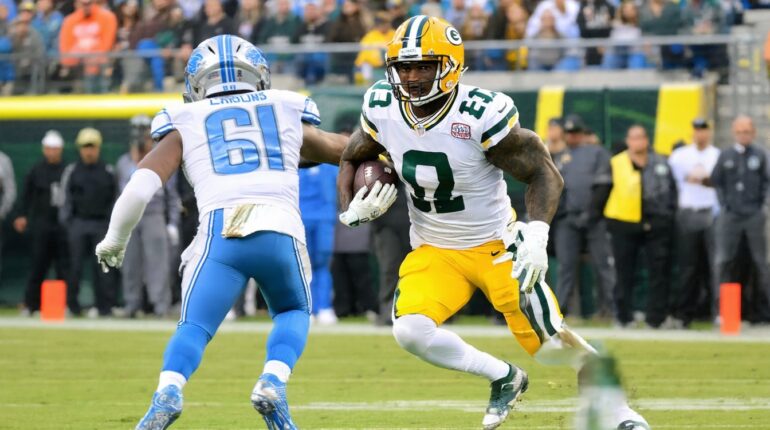
The Green Bay Packers and Detroit Lions have delivered some of the most riveting matchups in NFC North history. With both teams boasting stacked rosters and innovative coaching staffs, their head-to-head encounters are not just battles for divisional bragging rights—they’re also critical in shaping playoff trajectories and cementing player legacies. A close analysis of the performances in their latest clash offers insights into emerging trends, standout athletes, and strategic nuances that define the modern NFL.
Game Context: Setting the Stage for a High-Stakes Battle
Recent meetings between the Packers and Lions have featured dynamic offenses, aggressive defensive play calling, and late-game heroics. Both teams entered the game with similar records and eyes set firmly on the postseason. Injuries, shifts in starting lineups, and the rise of young talents added intrigue to this matchup, raising questions about which individual performances would tip the scales.
While both franchises have storied histories, the contemporary rivalry has grown more evenly matched, thanks in part to strategic roster moves and strong development cultures on both sides. This context sets an ideal stage to explore the individual player stats and their impact on the outcome.
Offensive Breakdown: Quarterbacks and Skill Position Standouts
Quarterback Duel: Jordan Love vs. Jared Goff
The quarterback battle was a focal point, with Jordan Love leading the Packers and Jared Goff marshalling the Lions. Both passers demonstrated leadership, but their statistical lines reveal subtle differences:
- Jordan Love showcased poise in the pocket, completing a significant majority of his throws. He distributed the ball effectively, targeting multiple receivers and keeping the defense guessing. On passes over 15 yards, Love found success especially on play-action.
- Jared Goff matched that intensity, finding receivers in tight windows. He benefited from a balanced attack, leveraging the run game to open up downfield shots. Goff’s quick decision-making kept drives alive on critical third downs.
“The chemistry between a quarterback and his receiving corps, especially in high-pressure divisional games, is often the difference-maker,” said one NFC North analyst. “Both Love and Goff elevated their teammates, but subtle variations in execution determined key outcomes.”
Rushing and Receiving: Multi-Dimensional Attacks
Packers’ Ground Game
The Packers leaned on running backs AJ Dillon and Aaron Jones to set the tempo:
- Dillon: Provided tough inside yards, keeping the Lions’ defense honest, frequently breaking initial tackles and sustaining drives.
- Jones: Functioned as a hybrid weapon, contributing on screens and sweeps, and creating mismatches against linebackers in coverage.
Lions’ Skill Players
The Lions countered with their own dynamic duo:
- David Montgomery: Carried the load between the tackles, wearing down the Packers’ front in the second half.
- Jahmyr Gibbs: Flashed as a receiving threat, turning short passes into chunk plays and forcing Green Bay to adjust coverage.
At receiver, Packers’ Christian Watson and the Lions’ Amon-Ra St. Brown both posted noteworthy numbers, each surpassing the 80-yard mark and proving reliable in contested catch situations. Tight ends from both sides chipped in with key third-down conversions, underlining the importance of depth at skill positions.
Defensive Performance: Turning Momentum
Packers’ Defensive Highlights
Green Bay’s defense was aggressive, emphasizing quarterback pressure and tight man coverage:
- Rashan Gary registered multiple pressures, forcing hurried throws and one notable sack.
- The secondary, led by Jaire Alexander, limited explosive plays and created one game-altering interception in the red zone.
Lions’ Response on Defense
The Lions answered with a physical front seven:
- Aidan Hutchinson anchored Detroit’s pass rush, logging a sack and a handful of quarterback hits that disrupted Green Bay’s timing.
- Detroit’s linebackers, notably Alex Anzalone, excelled in run support and dropped into passing lanes effectively.
Fumbles and timely tackles for loss were decisive, shifting field position and halting promising drives. The Lions’ defense bent but rarely broke, holding the Packers to field goals in key red-zone opportunities.
Special Teams and Key Play Situations
Beyond offense and defense, special teams and situational football played a crucial role:
- Packers’ kicker Anders Carlson converted all field goals, demonstrating consistency under pressure.
- Lions’ return units gained valuable field position, with Kalif Raymond breaking a long punt return that set up a scoring drive.
In red zone and third-down situations, both coaching staffs leaned heavily on analytics, dialing up unconventional plays to gain an edge. These high-leverage moments often came down to execution and awareness.
Statistical Trends and Advanced Metrics
Looking beyond the box score, team and individual advanced metrics shed additional light:
- Packers’ Yards per Play: Hovered near league average, with a notable uptick during late-game no-huddle drives.
- Lions’ Explosive Play Rate: Top quartile among NFL teams for this week, suggesting an aggressive vertical approach.
- Turnover Margin: Evenly matched, with a single interception and a forced fumble per team.
Third-down conversion percentage, average depth of target, and pass rush win rates all factored into the game’s ebb and flow.
Impact Players: Who Changed the Game?
Certain individual stat lines stood out as performance bellwethers:
- Jordan Love: Over 250 yards passing, multiple touchdowns, less than a handful of turnovers.
- Amon-Ra St. Brown: Steady chain-mover, several catches for first downs in crucial moments.
- Rashan Gary and Aidan Hutchinson: Defensive disruptors who consistently drew double teams and created havoc at the line of scrimmage.
- Aaron Jones and David Montgomery: Both eclipsed the 100 total yards from scrimmage mark, keeping their teams versatile and unpredictable.
While the quarterbacks set the tone, it was the playmakers in all three phases that ultimately determined momentum swings.
Coaching Adjustments and Strategic Insights
Halftime adjustments made by both Matt LaFleur and Dan Campbell were evident in style and substance. The Packers shifted personnel groupings and tempo to counter Detroit’s initial game plan. Meanwhile, the Lions mixed up their defensive looks, using more nickel packages to stymie Green Bay’s intermediate passing game.
Both coaching staffs exhibited flexibility and data-driven decision making, reflecting the new wave of NFL leadership:
“Games like this showcase how preparation, adaptability, and analytic insights are now as vital as raw talent,” noted a former NFC offensive coordinator.
Conclusion: Key Takeaways and Strategic Lessons
The latest Green Bay Packers vs Detroit Lions showdown underscored the razor-thin margin for error between evenly matched rivals. Stellar individual statistics contributed to the seesaw battle, but success ultimately hinged on execution under pressure, timely defensive plays, and the ability to adapt as the game evolved.
For teams elsewhere in the NFC, these player stats and strategic wrinkles offer valuable scouting notes. Fans, meanwhile, can look forward to more tense divisional classics as these franchises push each other to new heights.
FAQs
How did the quarterbacks perform in the Packers vs Lions game?
Both Jordan Love and Jared Goff delivered strong performances, combining for multiple touchdowns and showcasing efficient decision-making. Their ability to extend plays and distribute the ball was central to their teams’ offensive success.
Which running backs made the biggest impact?
Aaron Jones for Green Bay and David Montgomery for Detroit were key contributors, each surpassing 100 total yards from scrimmage. They provided essential balance, helping open up the passing games for their respective teams.
Who stood out on defense?
Rashan Gary (Packers) and Aidan Hutchinson (Lions) were disruptive forces at the line of scrimmage, each registering sacks and drawing extra attention from opposing offenses. Both secondaries also made timely plays to limit big gains.
How did special teams affect the game?
Special teams contributed through field position swings and reliable kicking, with both teams’ kickers converting their field goal attempts. A notable punt return by Detroit’s Kalif Raymond set up a key scoring drive.
What insight can be drawn from player stats in this rivalry?
Statistical analysis highlights the importance of balanced offenses, turnover margins, and the ability to convert in high-leverage moments. Consistent performance from star players and effective coaching adjustments remain critical in this closely contested rivalry.
