
Precise measurement is the backbone of successful cooking, laboratory experiments, and countless other professional fields. Among the most common conversion questions arises: how many ounces are in a quart? The answer is straightforward—yet, as with many things in measurement, the context matters. This guide explores the relationship between ounces and quarts, breaking down dry versus liquid measurements, historical context, and practical usage in modern life.
Defining Ounces and Quarts: Measurement Basics
Before delving into conversions, it’s important to clarify exactly what constitutes an ounce and a quart, especially as the terms can mean different things in different settings.
What is an Ounce?
In the United States customary system, an ounce (oz) is a unit of weight or volume. For liquids, fluid ounces are used, and for solids, ounces typically refer to weight. One fluid ounce equals approximately 29.57 milliliters (mL).
- U.S. fluid ounce: 1/128th of a U.S. gallon, or about 29.57 mL
- Imperial fluid ounce (UK): About 28.41 mL
What is a Quart?
A quart (qt) is a larger unit of volume, commonly used for both liquids and dry goods.
- U.S. liquid quart: Equal to 32 U.S. fluid ounces, or 946.35 mL
- U.S. dry quart: Slightly larger at about 37.24 U.S. dry ounces, or 1.101 liters
- Imperial quart (UK): About 40 Imperial fluid ounces, or 1.137 liters
The distinction between liquid and dry measurements highlights the importance of context when converting between these units.
The Core Conversion: Ounces in a Quart
At its simplest, when most people in the U.S. refer to a quart, they mean a liquid quart. The conversion is:
- 1 U.S. liquid quart = 32 U.S. fluid ounces
This is a standard you’ll find on milk jugs, juice containers, and in recipes throughout American kitchens.
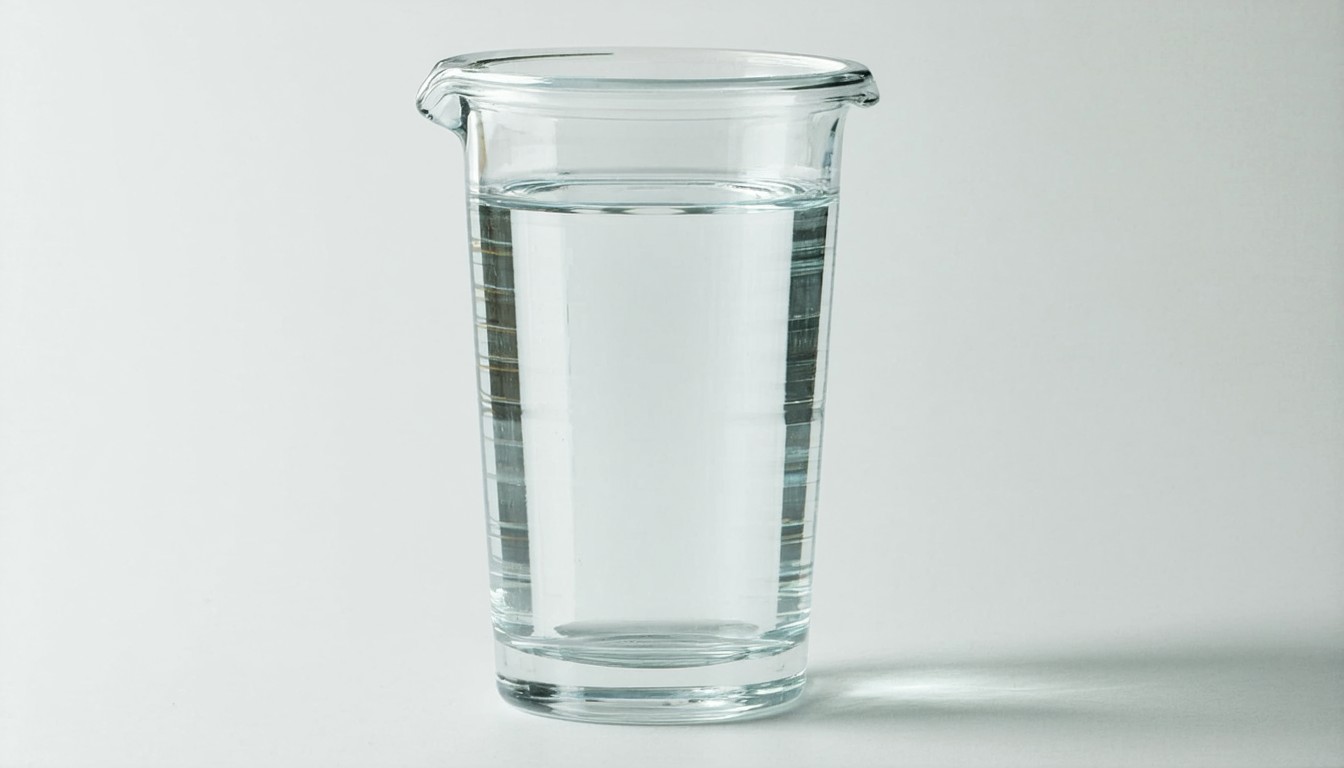
Conversion Table for Quick Reference
| Quart Type | Ounces | Milliliters |
|—————–|—————–|——————|
| U.S. Liquid | 32 fl oz | 946 mL |
| U.S. Dry | ≈37.24 dry oz | 1,101 mL |
| UK (Imperial) | 40 fl oz | 1,137 mL |
Understanding these distinctions is crucial for anyone working across the U.S. and U.K., or moving between older and modern recipes.
“Precision in kitchen conversions eliminates guesswork. The difference between dry and liquid measurements, or U.S. and Imperial standards, can cumulatively affect recipes, especially in baking or when scaling up quantities.”
— Chef Ramona Lewis, Certified Culinary Instructor
Why the Difference? Origins and Context
Delving into history, measurement systems in the U.S. and the U.K. diverged in the 19th century, leading to today’s complex landscape.
U.S. vs. Imperial Measurements
- U.S. Customary System: Originally based on the British Imperial system, then diverged. A U.S. gallon is slightly smaller than its Imperial counterpart.
- Imperial System (UK): Standardized in 1824, resulting in larger gallons, quarts, and ounces for liquids.
Dry vs. Liquid Measures
Dry measurements in the U.S. are rarely encountered in home kitchens, but are vital in agriculture or food manufacturing.
- U.S. Dry Quart: About 67.2 cubic inches vs. the 57.75 cubic inches of a U.S. liquid quart.
- A quart of blueberries and a quart of milk are not measured with the same tools.
Real-World Scenarios: Why Accurate Conversion Matters
Beyond the numbers, knowing how many ounces are in a quart is relevant in daily life:
Home Cooking and Baking
Recipes may call for a quart of broth or 32 ounces of stock—knowing these are equal streamlines your process. Conversely, misapplying dry ounces in a liquid recipe can have disastrous results, since a dry ounce (weight) is not the same as a fluid ounce (volume).
Industrial and Laboratory Use
In manufacturing or scientific experiments, even minor errors in conversion can lead to significant yield differences or flawed research, particularly when strict controls are in place.
Cross-Border Commerce
Food labeling and packaging for international markets must stay compliant with metric, U.S., and Imperial standards. This complexity demands fluency in conversions for both accuracy and regulatory compliance.
Tips for Making Measurements Simple
With so much room for confusion, industry professionals and home cooks alike benefit from these strategies:
Use Separate Tools
- Liquid measuring cups are usually clear, with a spout.
- Dry measuring cups are designed to be filled and leveled off at the top.
Memorize Key Conversions
- 1 quart = 32 fl oz (U.S. liquid)
- 1 gallon = 4 quarts = 128 fl oz
- 1 pint = 2 cups = 16 fl oz
Rely on Reference Charts
Many kitchens and laboratories keep laminated conversion charts handy for fast, error-free results.
Embrace Digital Tools
Apps and smart kitchen scales simplify multi-unit conversions and ensure precision, reducing calculation mistakes.
Choosing the Right Measuring System
In global contexts, the metric system dominates, favored for its straightforward multiples of 10. However, the U.S. retains its customary units in everyday life.
Metric vs. U.S. Customary in Practice
- Metric: Used globally in scientific and medical fields.
- U.S. Customary: Still standard in American food packaging, recipes, and many industries.
For those frequently bridging these systems—like importers, exporters, recipe developers, or scientists—awareness of both is non-negotiable.
The Takeaway: Confidence in Measurement
Understanding how many ounces are in a quart seems simple, but accurate measurement is the hallmark of success across fields. Grasping the differences between liquid and dry, U.S. and Imperial, context and application, means fewer kitchen mishaps, better product quality, and international clarity.
In kitchens, classrooms, and factories, a little knowledge about conversions can prevent a world of frustration.
FAQs
How many ounces are in a U.S. liquid quart?
There are 32 U.S. fluid ounces in one U.S. liquid quart. This is a standard measurement for liquids used in American recipes and packaging.
Is a dry quart the same as a liquid quart?
No, a dry quart measures volume for dry goods and equals about 37.24 U.S. dry ounces, whereas a liquid quart contains 32 U.S. fluid ounces. The two are not interchangeable.
How does an Imperial quart differ from a U.S. quart?
An Imperial quart (used in the UK) holds 40 Imperial fluid ounces, which is larger than a U.S. liquid quart at 32 U.S. fluid ounces. The difference stems from divergent measurement standards.
Can you use a liquid measuring cup for dry ingredients?
It’s best not to—liquid measuring cups are shaped and calibrated for fluids. Dry measuring cups allow you to level off ingredients for accurate measurement.
Why are there two types of ounces (fluid and dry)?
Fluid ounces measure volume, while dry ounces measure weight. The distinction is important to ensure recipes and scientific procedures yield the intended results.
Are quarts and ounces used internationally?
While the U.S. relies heavily on quarts and ounces, most countries use the metric system (liters and milliliters), especially for scientific and medical applications. In the UK, the Imperial system is less common today but still present in some contexts.
